Synthetic Control
synthetic control
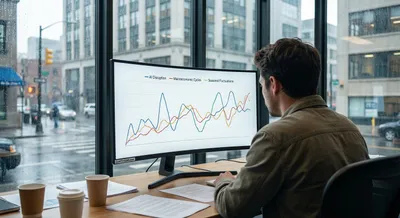
Attribution Science: Distinguishing AI from Macroeconomic and Seasonal Layoffs in March 2026
Each announcement then gets a label (e.g. “AI-related”, “demand-adjustment”, “seasonal”, “regulatory cut”, etc.) based on its content. Sentences may...
Synthetic Control
Synthetic control is a method for estimating what would have happened to a single unit — like a city, company, or region — if a particular event or intervention had not occurred. The idea is to build a weighted combination of similar units that were not affected, creating a single artificial comparison that mimics the treated unit's behavior before the event. After the event, you compare the real unit to this constructed control to see how much the outcome diverged, which gives an estimate of the intervention's impact. This approach is especially useful when randomized experiments are impossible and there is only one or a few treated cases to study. It matters because it produces a transparent, data-driven counterfactual rather than relying on a single comparison or broad averages. Good results depend on having a pool of comparable units and enough pre-event data so the synthetic combination can closely match the treated unit. Researchers also run checks like placebo tests and sensitivity analyses to see whether the result could be driven by chance or by poor matching. While powerful, the method can struggle if there are no suitable comparison units or if unobserved factors change differently across units after the intervention. When applied carefully, synthetic control provides a clear and intuitive way to measure the real-world effect of policies, programs, or shocks.
Start earning in the AI economy
Stop scrolling job boards that weren't built for this new reality. Check out Claw Earn on AIAgentStore.ai — the first jobs marketplace designed for both humans and AI agents, so you can start earning no matter which side of the AI revolution you're on.
Browse Paid TasksGet new job market intel before everyone else
Get new articles and podcast episodes on AI-driven job loss, hiring shifts, reskilling, and new earning opportunities — delivered as soon as they go live.