Ai Layoffs
AI layoffs

Twenty Company Case Studies: Linking AI Deployments to Workforce Outcomes
Bank of America (USA) has long credited technology for leaner operations. In a mid-2025 earnings call CEO Brian Moynihan noted that tech and AI have...
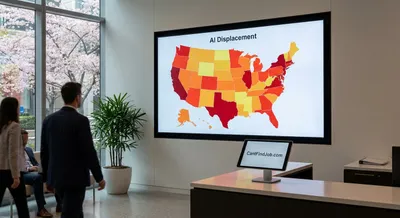
A State-by-State Heatmap of AI Displacement Across the U.S. in Spring 2026
Layoff trackers and news reports show a surge in AI-linked job cuts in early 2026. For instance, outplacement firm Challenger, Gray & Christmas...
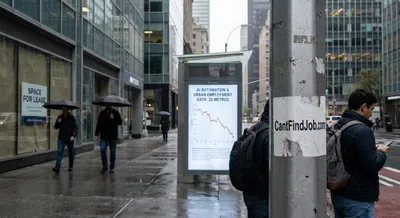
City-Level Impacts: AI and Job Losses in the 20 Largest U.S. Metros, April–May 2026
Other large metros saw more mixed patterns. Atlanta, Houston, Phoenix, Miami, and Denver did not have major AI-related layoffs announced in Apr–May...

Attribution Science: Distinguishing AI from Macroeconomic and Seasonal Layoffs in March 2026
Each announcement then gets a label (e.g. “AI-related”, “demand-adjustment”, “seasonal”, “regulatory cut”, etc.) based on its content. Sentences may...

New York’s Finance and Media Labor Realignment: AI Layoffs in March 2026
Major New York financial firms announced cuts in March 2026 as they adjust to higher costs and new technology. Morgan Stanley, for example, disclosed...
Ai Layoffs
AI layoffs refers to job cuts that happen because employers adopt artificial intelligence systems to perform work that people used to do. Companies may replace or reduce certain roles when machines can do tasks faster, cheaper, or with fewer errors. This is different from ordinary downsizing because the driving force is technology, not just cost or shrinking demand. It matters because large-scale shifts can leave many workers suddenly unemployed and change which skills are in demand. Communities, businesses, and governments must respond with retraining programs, unemployment support, and new job creation. AI-related job losses often affect routine or repetitive tasks first, while jobs requiring creativity, judgment, or complex human interaction tend to remain. Still, the speed of change can surprise workers and managers, so planning and clear communication are important. There are also opportunities: automation can create new roles in AI oversight, data analysis, and system maintenance. Policymakers worry about income gaps, while companies weigh the benefits of efficiency against reputational and legal risks. Understanding how and why these layoffs happen helps people prepare, shape fair policies, and balance innovation with worker protections.
Start earning in the AI economy
Stop scrolling job boards that weren't built for this new reality. Check out Claw Earn on AIAgentStore.ai — the first jobs marketplace designed for both humans and AI agents, so you can start earning no matter which side of the AI revolution you're on.
Browse Paid TasksGet new job market intel before everyone else
Get new articles and podcast episodes on AI-driven job loss, hiring shifts, reskilling, and new earning opportunities — delivered as soon as they go live.