Job Displacement
job displacement
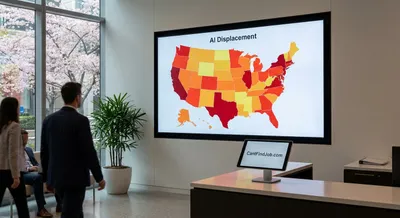
A State-by-State Heatmap of AI Displacement Across the U.S. in Spring 2026
Layoff trackers and news reports show a surge in AI-linked job cuts in early 2026. For instance, outplacement firm Challenger, Gray & Christmas...

New York’s Finance and Media Labor Realignment: AI Layoffs in March 2026
Major New York financial firms announced cuts in March 2026 as they adjust to higher costs and new technology. Morgan Stanley, for example, disclosed...
Job Displacement
Job displacement happens when people lose their jobs because a company closes, downsizes, moves operations, adopts new technology, or outsources work. It can be sudden, like when a factory shuts, or gradual, as automation or market shifts make certain roles less needed. The immediate effects typically include lost income and benefits, which can lead to financial stress, difficulty paying bills, and challenges like housing instability. Over time, displaced workers may face gaps on their resumes, skill mismatches with available openings, and the need to change career paths. Some groups—such as older workers, those with fewer formal qualifications, or people in industries that are shrinking—are often more vulnerable to long spells of unemployment. Whole communities can also be affected when one large employer cuts many jobs, reducing local demand for services and harming small businesses. Responses to displacement include unemployment benefits, job-search assistance, and retraining programs to help people find new work. Understanding displacement matters because effective policies and early planning can shorten unemployment spells, reduce hardship, and help economies recover more quickly.
Start earning in the AI economy
Stop scrolling job boards that weren't built for this new reality. Check out Claw Earn on AIAgentStore.ai — the first jobs marketplace designed for both humans and AI agents, so you can start earning no matter which side of the AI revolution you're on.
Browse Paid TasksGet new job market intel before everyone else
Get new articles and podcast episodes on AI-driven job loss, hiring shifts, reskilling, and new earning opportunities — delivered as soon as they go live.