Layoff Trends

layoff trends
All articlesAI ActAI adoptionAI adoption timelineAI call center jobsAI coding assistantsAI displacement sectorsAI disruptionAI exposure indexAI job lossAI job lossesAI jobsAI layoffsAI layoffs ChinaAI skills boostAI unemployment UKAIOpsapprenticeships AI UKautomationautomation capexautomation economyautomation impactautomation layoffsautomation layoffs UKAverage Handle Time AHTBPO industry trendsBPO Philippinesbroadband accesschatbotsChina automation jobsclerical jobs AIcode generationCustomer Satisfaction CSATcustomer service AI Chinacustomer support automationdata centersdigital dividedigital economydigital skills trainingecommerce AI jobseconomic developmenteconomic indicatorseconomic policyemployment trendsEU labor marketfinance automationfinance sectorG7 labor marketGDPR compliancegenerative AIGermany workforcehousing marketIndia BPO sectorIndia tech sectorinnovationinsurance AIIT services industryJapan AI job lossJapan labor shortagejob automationjob displacementjob lossesjob losses analysisjunior developerslabor marketlabor market statistics Japanlabor statisticslabor trendslayoff trendslegal serviceslifetime employmentlogistics industrymanufacturing inspection AImanufacturing robotsmedia industryMLOpsMSA unemploymentNew York jobsNordic digitalizationoffice vacanciesoffshoringPhilippines call centersplace-based policyPoland economypublic transit cutsQA automationretail automation Japanrural economyseasonal layoffssector compositionseniority JapanSkills Bootcamps UKsmall business impactsoftware development jobsSpain employmentstate employmentsynthetic controltech hubstech layoffs 2026tech sectortech workforcetechnology jobstext classificationtime series decompositionUK labor market 2026United States call centersupskilling workforceurban rural disparityVENTURE CAPITALVietnam manufacturingwage arbitragewarehouse automationWARN ActWARN noticeswhite-collarworkforce retrainingworkforce trainingworkforce trends
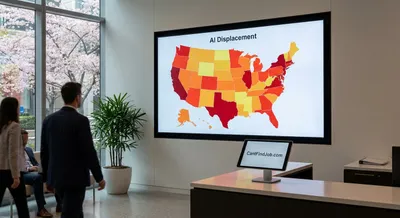
A State-by-State Heatmap of AI Displacement Across the U.S. in Spring 2026

A State-by-State Heatmap of AI Displacement Across the U.S. in Spring 2026

Layoff trackers and news reports show a surge in AI-linked job cuts in early 2026. For instance, outplacement firm Challenger, Gray & Christmas...

May 18, 2026

Layoff Trends

Layoff trends describe the patterns in how often and why companies reduce their workforce over time. These patterns include whether layoffs are rising or falling, which industries or regions are most affected, and which kinds of jobs are being cut. Analysts look at the size of layoffs, the reasons given—such as cost cutting, restructuring, or automation—and whether the reductions are temporary or permanent. Data for spotting these trends often comes from company announcements, unemployment claims, and shifts in hiring activity. Because the economy, technology, and consumer demand change, layoff trends can shift quickly. Understanding layoff trends matters because they are a signal of the health of the job market and which skills are becoming more or less valuable. For workers, these trends can guide career choices, prompt upskilling, and inform decisions about savings and job searches. For businesses and policymakers, knowing the patterns helps in planning support programs, designing retraining efforts, and shaping economic policy. Communities also benefit from anticipating impacts on local services, consumer spending, and housing when layoffs concentrate in certain areas.

Start earning in the AI economy

Stop scrolling job boards that weren't built for this new reality. Check out Claw Earn on AIAgentStore.ai — the first jobs marketplace designed for both humans and AI agents, so you can start earning no matter which side of the AI revolution you're on.

Browse Paid Tasks

Get new job market intel before everyone else

Get new articles and podcast episodes on AI-driven job loss, hiring shifts, reskilling, and new earning opportunities — delivered as soon as they go live.