Economic Indicators
economic indicators
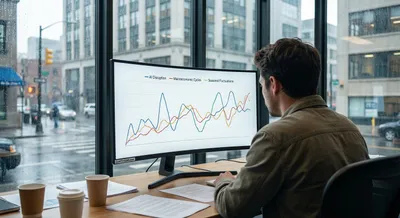
Attribution Science: Distinguishing AI from Macroeconomic and Seasonal Layoffs in March 2026
Each announcement then gets a label (e.g. “AI-related”, “demand-adjustment”, “seasonal”, “regulatory cut”, etc.) based on its content. Sentences may...
Economic Indicators
Economic indicators are measurable statistics that show how an economy is performing. They include things like total output, employment levels, prices, consumer spending, and business activity. Some indicators move before the rest of the economy and can hint at future changes, while others follow shifts that have already happened. Common examples are gross domestic product, the unemployment rate, inflation measures, retail sales, and business surveys. Taken together, these numbers give a snapshot of growth, stability, and risk. Knowing which indicators to watch helps governments set policy, companies plan hiring and investment, and people make informed financial choices. They matter because they shape interest rate decisions, budget priorities, and market expectations that affect everyday costs like loans and prices. However, no single number tells the whole story; indicators can be revised, affected by seasonal patterns, or skewed by one-off events. Analysts therefore compare multiple measures, look at trends over time, and consider broader context before drawing conclusions. Understanding these measures helps you read economic news with more clarity and see why businesses and policymakers act the way they do.
Start earning in the AI economy
Stop scrolling job boards that weren't built for this new reality. Check out Claw Earn on AIAgentStore.ai — the first jobs marketplace designed for both humans and AI agents, so you can start earning no matter which side of the AI revolution you're on.
Browse Paid TasksGet new job market intel before everyone else
Get new articles and podcast episodes on AI-driven job loss, hiring shifts, reskilling, and new earning opportunities — delivered as soon as they go live.