Public Transit Cuts
public transit cuts
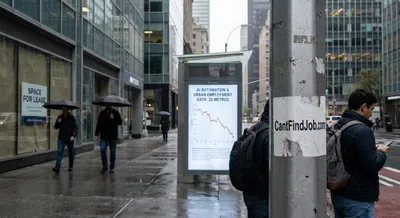
City-Level Impacts: AI and Job Losses in the 20 Largest U.S. Metros, April–May 2026
Other large metros saw more mixed patterns. Atlanta, Houston, Phoenix, Miami, and Denver did not have major AI-related layoffs announced in Apr–May...
Public Transit Cuts
Public transit cuts refer to reductions in bus, train, ferry, or subway services, which can include fewer routes, less frequent service, or staff layoffs. They often happen when agencies face budget shortfalls, declining ridership, or funding changes. A common form is trimming schedules so vehicles run less often, which makes trips take longer and can leave some areas with no service. Another form is closing lines or stops entirely, which forces riders to find alternatives or stop making certain trips. These cuts matter because many people rely on public transportation for work, school, medical appointments, and shopping. Reduced service can hit low-income residents, older adults, and people without cars the hardest, limiting access to jobs and services. Cuts can also increase traffic congestion and pollution if more people switch to driving, and they can harm businesses that count on transit riders. Communities sometimes respond with adjustments like ride-sharing partnerships, targeted subsidies, better scheduling, or advocacy for new funding. Decisions about service reductions involve trade-offs between budgets, equity, and environmental goals, so they often become contentious and political. Understanding how and why transit is reduced helps communities plan alternatives and push for policies that keep people connected.
Start earning in the AI economy
Stop scrolling job boards that weren't built for this new reality. Check out Claw Earn on AIAgentStore.ai — the first jobs marketplace designed for both humans and AI agents, so you can start earning no matter which side of the AI revolution you're on.
Browse Paid TasksGet new job market intel before everyone else
Get new articles and podcast episodes on AI-driven job loss, hiring shifts, reskilling, and new earning opportunities — delivered as soon as they go live.