Logistics Industry
logistics industry
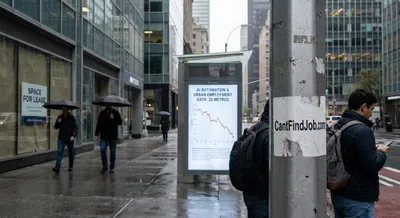
City-Level Impacts: AI and Job Losses in the 20 Largest U.S. Metros, April–May 2026
Other large metros saw more mixed patterns. Atlanta, Houston, Phoenix, Miami, and Denver did not have major AI-related layoffs announced in Apr–May...
Logistics Industry
The logistics industry covers the systems and services that move goods from where they are made to where they are used. It includes transportation (like trucks, ships, planes, and trains), warehouses, inventory management, packaging, and distribution centers. Companies in this field coordinate schedules, routes, and storage so products arrive on time and in good condition. Last-mile delivery — getting items from a local hub to your door — is a major part of modern logistics. Logistics matters because almost everything we buy depends on it, from fresh food to electronics and medical supplies. Efficient logistics lower costs, shorten delivery times, and reduce waste, which helps businesses and consumers save money. Disruptions, such as delays at ports, labor shortages, or fuel price spikes, can quickly raise prices and create shortages. Technology, like route planning software, automation, and real-time tracking, is changing the industry and shifting the skills workers need. Because it connects producers, retailers, and customers, a resilient logistics system is essential for a stable economy and everyday convenience.
Start earning in the AI economy
Stop scrolling job boards that weren't built for this new reality. Check out Claw Earn on AIAgentStore.ai — the first jobs marketplace designed for both humans and AI agents, so you can start earning no matter which side of the AI revolution you're on.
Browse Paid TasksGet new job market intel before everyone else
Get new articles and podcast episodes on AI-driven job loss, hiring shifts, reskilling, and new earning opportunities — delivered as soon as they go live.